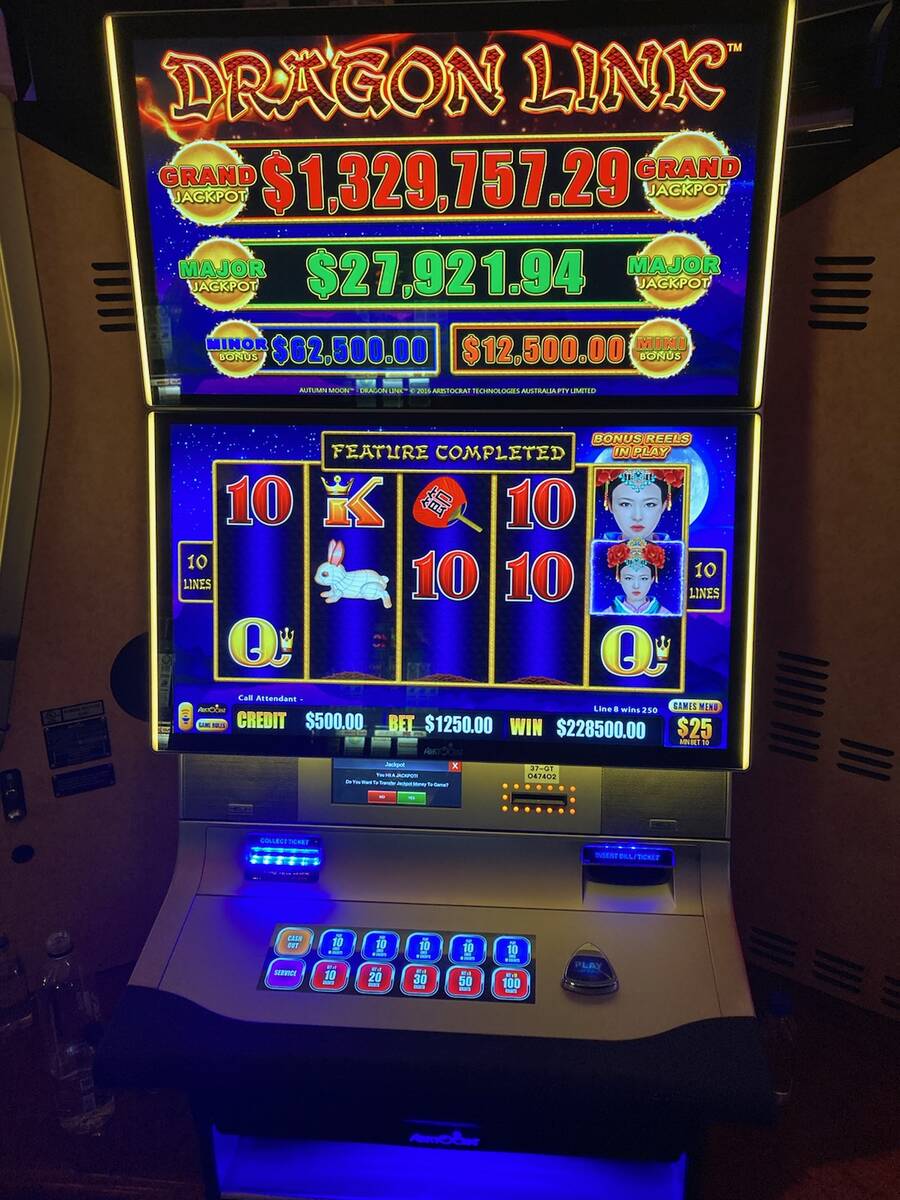
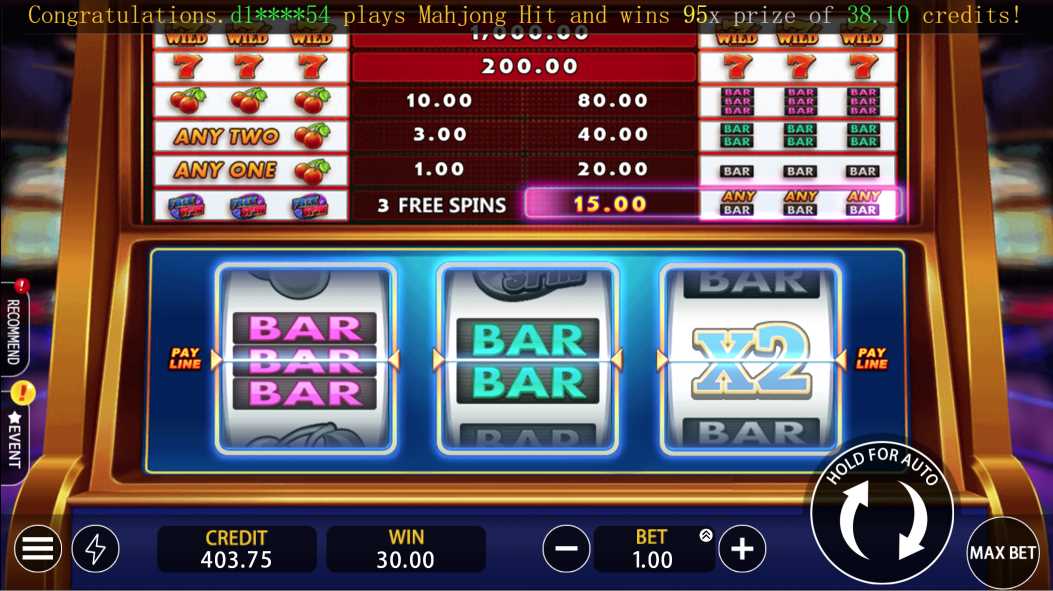
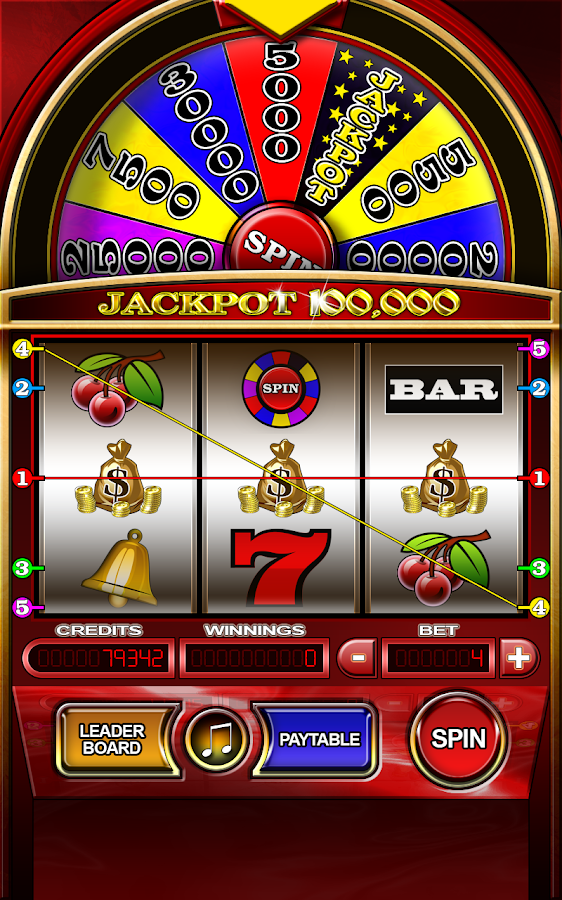
Selamat datang di artikel kami kali ini yang akan membahas tentang 8 rahasia dalam permainan slot online untuk meningkatkan peluang Anda dalam meraih kemenangan yang menggiurkan. Slot online telah menjadi salah satu game yang paling populer di dunia perjudian online, dan dengan pengetahuan yang tepat, Anda dapat meningkatkan peluang Anda untuk memenangkan hadiah besar.
Pertama, mari kita bahas mengenai Slot Gacor. Slot Gacor merujuk pada mesin slot yang sering memberikan hasil yang menguntungkan. Anda bisa meningkatkan peluang Anda untuk menang dengan memilih mesin slot yang memiliki reputasi yang baik dalam memberikan kemenangan kepada pemain.
Selanjutnya, ada Slot gampang maxwin. Slot ini memiliki peluang untuk memberikan kemenangan besar dengan mudah. Penting untuk mencari mesin slot yang memiliki fitur-fitur khusus seperti putaran bonus atau simbol liar yang dapat membantu meningkatkan peluang Anda untuk meraih kemenangan yang besar.
Sekarang, mari kita bicarakan tentang Slot x500. Slot ini menawarkan pembayaran hingga 500 kali lipat dari taruhan Anda. Penting untuk memperhatikan tabel pembayaran dan memainkan taruhan maksimum untuk memiliki kesempatan memenangkan jackpot maksimum.
Selanjutnya, ada RTP slot. RTP singkatan dari Return to Player, yang merupakan persentase dari taruhan yang kembali kepada pemain dalam jangka panjang. Pilihlah mesin slot dengan RTP yang tinggi agar memiliki peluang yang lebih baik dalam jangka panjang.
Selanjutnya, terdapat juga RTP live. RTP live merujuk pada persentase pengembalian dalam permainan slot yang tersedia secara langsung. Lakukan riset terlebih dahulu dan temukan mesin slot dengan RTP live yang tinggi untuk meningkatkan peluang Anda untuk menang.
Berikutnya, ada Bocoran RTP live. Mencari tahu bocoran RTP live dari mesin slot tertentu dapat memberikan Anda keunggulan dalam permainan. Tetapi ingatlah bahwa ini adalah informasi yang terus berubah, jadi pastikan Anda selalu mengupdate diri dengan informasi terbaru.
Lalu ada Rtp slot hari ini. Mengetahui RTP slot pada hari tertentu dapat membantu Anda memilih mesin dengan persentase pembayaran yang lebih baik. Pastikan untuk memanfaatkan informasi ini agar memiliki peluang yang lebih baik dalam mendapatkan kemenangan.
Akhirnya, ada Demo Slot. Demo slot adalah cara yang bagus untuk menguji permainan sebelum memasang taruhan dengan uang sungguhan. Manfaatkan kesempatan ini untuk mengenal mesin slot yang berbeda dan mengembangkan strategi yang tepat sebelum Anda mulai memasang taruhan nyata.
Dengan memahami dan menerapkan rahasia-rahasia ini, Anda dapat meningkatkan peluang Anda dalam meraih kemenangan dalam permainan slot online. Tetap bermain dengan tanggung jawab dan selalu ingat bahwa perjudian haruslah bersifat menghibur. Selamat bermain dan semoga keberuntungan selalu menyertai Anda!
Strategi Bermain Slot Online yang Efektif
Slot online adalah permainan yang menarik dan menghibur yang tersedia di platform kasino online. Agar dapat meningkatkan peluang menang Anda, diperlukan strategi bermain yang tepat. Berikut ini adalah beberapa strategi efektif yang dapat Anda gunakan saat bermain slot online:
Pertama, perlu untuk memahami aturan dan pembayaran dalam permainan slot online. Setiap mesin slot memiliki aturan dan pembayaran yang berbeda. Jadi, sebelum memulai permainan, pastikan Anda membaca dan memahami aturan serta pembayaran yang berlaku. Dengan memahami ini, Anda dapat membuat keputusan yang lebih baik saat bermain.
Selanjutnya, penting untuk memilih mesin slot yang sesuai dengan preferensi dan target kemenangan Anda. Setiap mesin slot memiliki karakteristik yang berbeda, seperti tingkat volatilitas dan persentase pembayaran. Dengan memilih mesin yang sesuai dengan preferensi Anda, Anda dapat meningkatkan peluang menang Anda. Misalnya, jika Anda menyukai slot dengan pembayaran kecil namun sering, maka pilih mesin dengan volatilitas rendah. Sedangkan, jika Anda menyukai slot dengan pembayaran besar namun jarang, pilih mesin dengan volatilitas tinggi.
Terakhir, manfaatkan fitur bonus dan promosi yang disediakan oleh platform kasino online. Banyak platform kasino online menawarkan berbagai jenis bonus dan promosi kepada pemain mereka. Manfaatkan bonus dan promosi ini untuk meningkatkan peluang menang Anda. Misalnya, manfaatkan putaran gratis atau bonus setoran untuk mendapatkan lebih banyak peluang untuk menang.
Dengan menerapkan strategi bermain yang efektif ini, Anda dapat meningkatkan peluang Anda untuk menang saat bermain slot online. Ingatlah untuk selalu bertanggung jawab dalam bermain dan nikmatilah pengalaman bermain slot online dengan baik. slot online maxwin
Mengenal Istilah-istilah Penting dalam Slot Online
Dalam dunia slot online, terdapat sejumlah istilah penting yang perlu diketahui agar dapat memahami permainan ini dengan lebih baik. Istilah-istilah ini mencakup beberapa hal seperti "Slot Gacor", "Slot gampang maxwin", "Slot x500", "RTP slot", "RTP live", "Bocoran rtp live", "Rtp slot hari ini", "Demo Slot", dan "Slot Demo". Mari kita bahas beberapa istilah berikut ini.
Pertama-tama, "Slot Gacor" adalah istilah yang seringkali digunakan untuk menggambarkan mesin slot yang memiliki tingkat kemenangan yang tinggi. Mesin-mesin Slot Gacor ini biasanya menjadi favorit para pemain karena peluang menang yang lebih besar daripada mesin-mesin lainnya.
Selanjutnya, "Slot gampang maxwin" merujuk pada mesin slot yang memiliki kemungkinan untuk memberikan kemenangan besar dengan mudah. Dalam hal ini, pemain memiliki peluang yang lebih tinggi untuk memenangkan jackpot atau hadiah besar lainnya.
"Slot x500" adalah istilah yang menggambarkan mesin slot dengan potensi penggandaan kemenangan hingga 500 kali lipat. Jadi, jika Anda berhasil memenangkan taruhan pada mesin Slot x500, kemenangan Anda akan diperbesar hingga 500 kali lipat dari taruhan awal.
Selanjutnya, "RTP slot" (Return to Player) dan "RTP live" (Return to Player Live) adalah istilah yang mengacu pada persentase total kemenangan yang akan dikembalikan kepada pemain dalam jangka waktu tertentu. Semakin tinggi persentase RTP, semakin besar pula peluang bagi pemain untuk meraih kemenangan dalam jangka panjang.
Selain itu, "Bocoran rtp live" merujuk pada informasi atau petunjuk mengenai persentase RTP dalam permainan slot secara langsung. Bocoran ini dapat memberikan gambaran kepada pemain mengenai peluang kemenangan saat bermain slot secara live.
"Rtp slot hari ini" adalah istilah yang merujuk pada persentase RTP dalam permainan slot pada hari tersebut. Informasi ini penting bagi para pemain untuk mengetahui potensi kemenangan pada hari tersebut sebelum memulai bermain slot.
Terakhir, "Demo Slot" dan "Slot Demo" adalah istilah yang digunakan untuk permainan slot dalam mode demo. Dalam mode ini, pemain dapat mencoba dan menguasai permainan sebelum memasang taruhan dengan uang sungguhan. Mode ini berguna bagi pemain yang ingin belajar strategi atau memahami tata cara permainan sebelum mulai bertaruh.
Mengenal istilah-istilah ini akan membantu pemain dalam memahami dan memaksimalkan peluang kemenangan mereka saat bermain slot online. Dengan memahami istilah-istilah ini, pemain dapat mengambil keputusan yang lebih baik dan meningkatkan kesenangan mereka dalam bermain slot online.
Memanfaatkan Demo Slot untuk Pengalaman Bermain yang Lebih Baik
Demo Slot dapat menjadi alat yang sangat bermanfaat bagi pemain slot online untuk meningkatkan pengalaman bermain mereka. Dalam demo slot, pemain dapat mencoba permainan slot terlebih dahulu sebelum mereka memutuskan untuk bermain dengan uang sungguhan. Ini memberi mereka kesempatan untuk lebih memahami aturan permainan, fitur-fitur khusus, dan mendapatkan rasa bagaimana mesin slot itu berfungsi.
Selain itu, dengan memanfaatkan demo slot, pemain dapat menguji strategi bermain mereka tanpa harus mengeluarkan uang sungguhan. Mereka bisa mencoba berbagai jenis taruhan, pengaturan taruhan yang berbeda, dan melihat bagaimana hasilnya. Hal ini memungkinkan pemain untuk memperoleh pemahaman yang lebih baik tentang pola pembayaran dan peluang menang yang mungkin ada dalam permainan slot tersebut.
Demo Slot juga dapat memberikan kesempatan kepada pemain untuk mengeksplorasi variasi permainan slot yang berbeda-beda. Dalam demo slot, pemain dapat mencoba berbagai tema, gaya visual, dan suara-suara yang berbeda dalam permainan slot. Hal ini dapat membuat pengalaman bermain menjadi lebih menyenangkan dan menarik.
Dengan memanfaatkan demo slot, pemain juga dapat memahami lebih baik tingkat volatilitas dari suatu permainan slot. Volatilitas permainan slot dapat memengaruhi frekuensi dan ukuran kemenangan pemain. Melalui demo slot, pemain dapat menguji seberapa sering mereka dapat memenangkan kombinasi kemenangan dan seberapa besar kemenangan yang mereka bisa dapatkan.
Dalam kesimpulannya, demo slot dapat memberikan peluang bermain yang lebih baik bagi para pemain slot online. Dengan memanfaatkannya, pemain dapat memahami permainan dengan lebih baik, menguji strategi bermain mereka, mengeksplorasi variasi permainan yang berbeda, dan memahami tingkat volatilitas permainan. Menggunakan demo slot sebagai sarana pembelajaran sebelum bermain dengan uang sungguhan dapat membantu pemain meningkatkan peluang mereka untuk memenangkan permainan slot online.